CROSS-SECTORAL
DEVELOPMENT
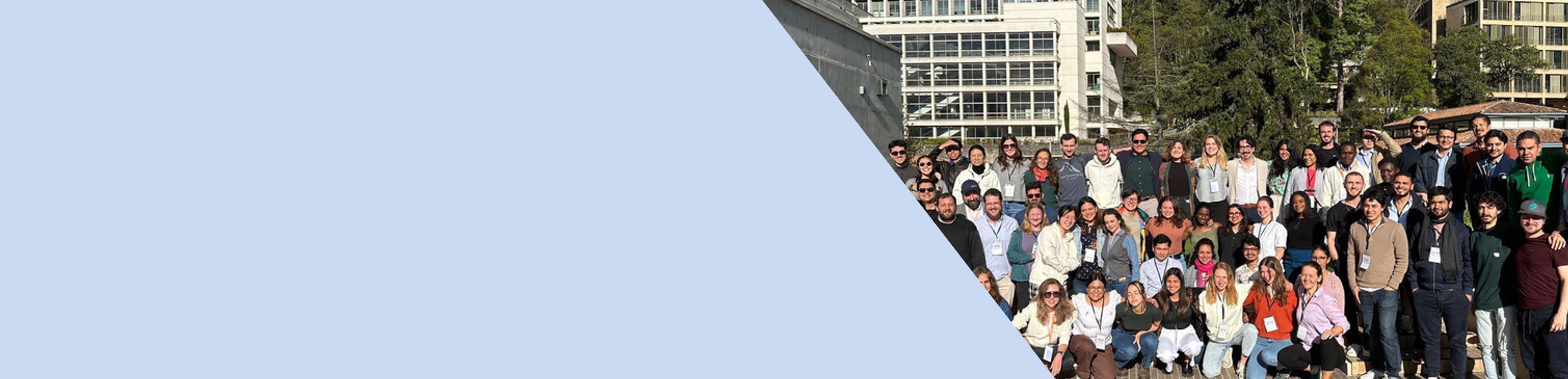
We believe that change requires alignment at multiple levels; therefore, ITL’s role revolves around this tri-fold approach:
Leveraging alignment on all three levels will drive meaningful and impactful transformation.

We are working for integrated & inclusive reforms to promote Pakistan’s Energy Transition


We reimagine education as an interdisciplinary endeavor: bridging divides and shaping purpose-driven professionals
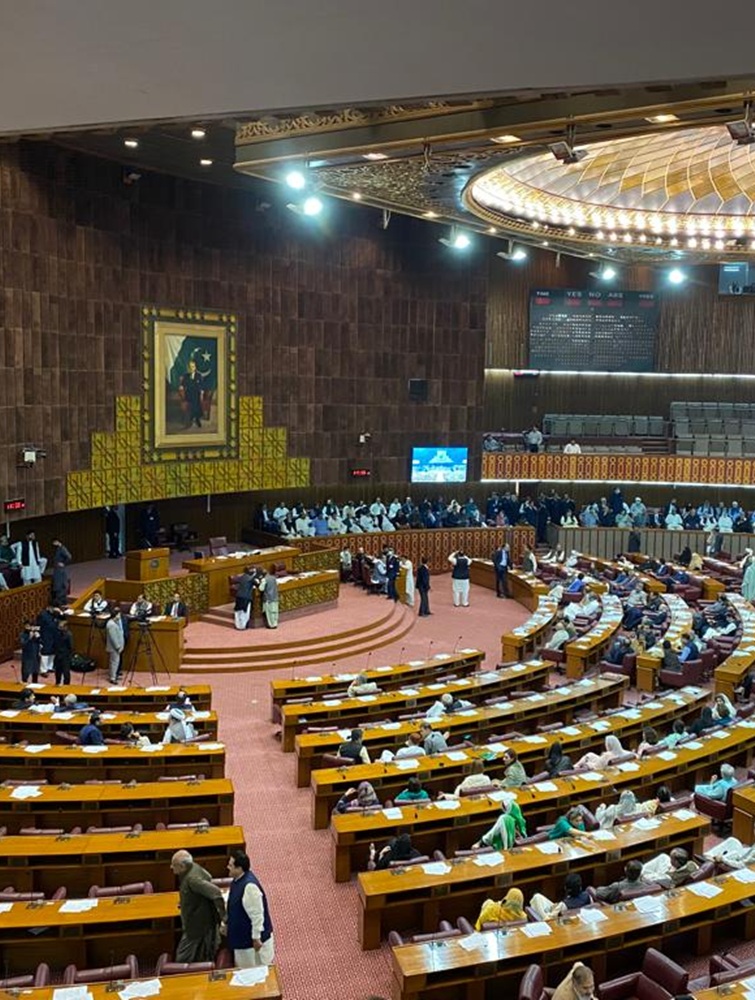

We support integrated & responsible governance for relevant and sustainable impact
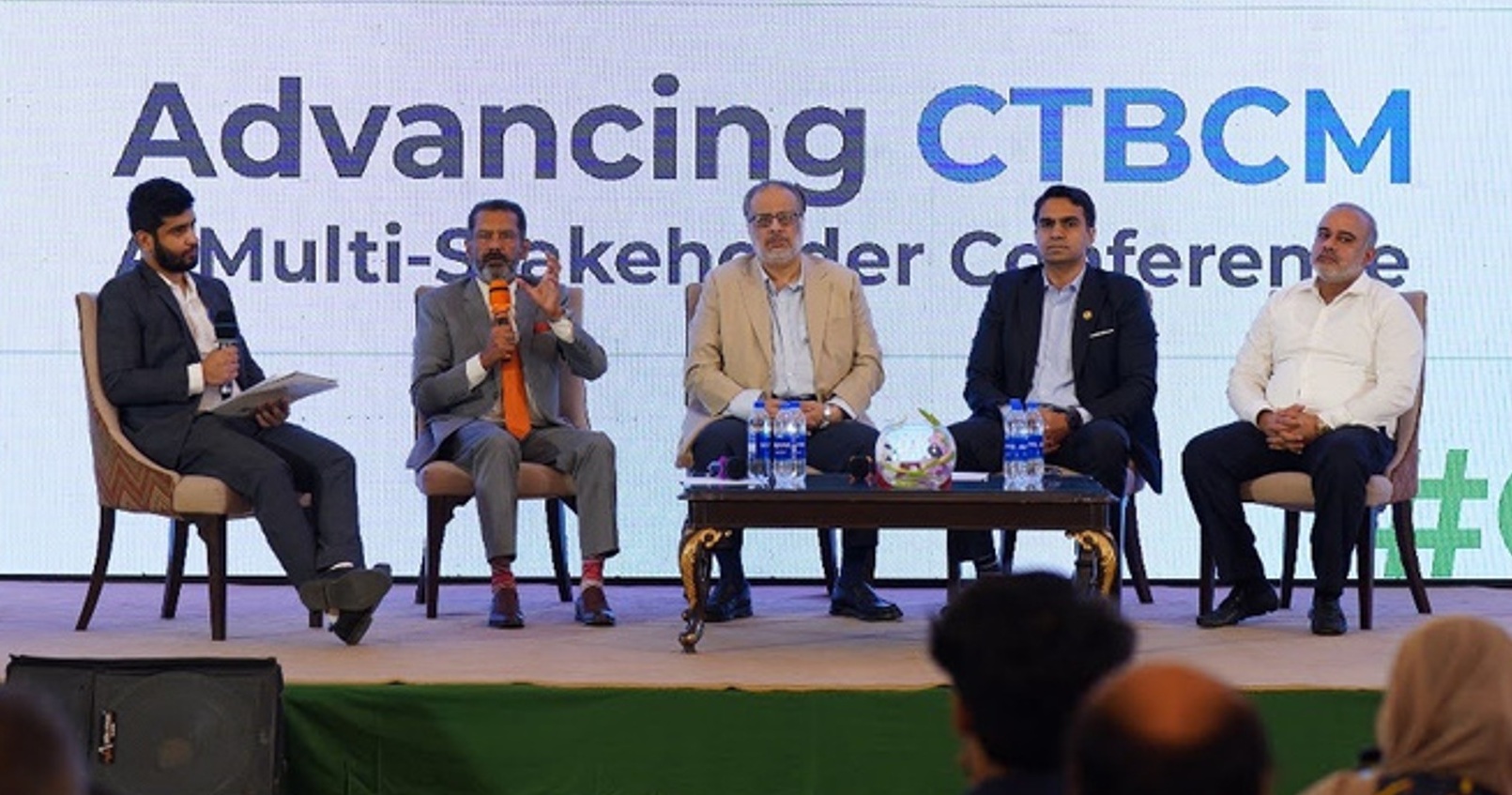
Currently, we are working with institutions across Pakistan to improve a major gap in the energy transition ecosystem: the misalignment of institutional efforts. While many organizations are engaged in various aspects of the transition, these initiatives remain siloed, limiting shared learning and coordinated progress. Recognizing this, we are developing structured platforms for cross-sectoral and inter-organizational learning that bring together emerging and established organizations.
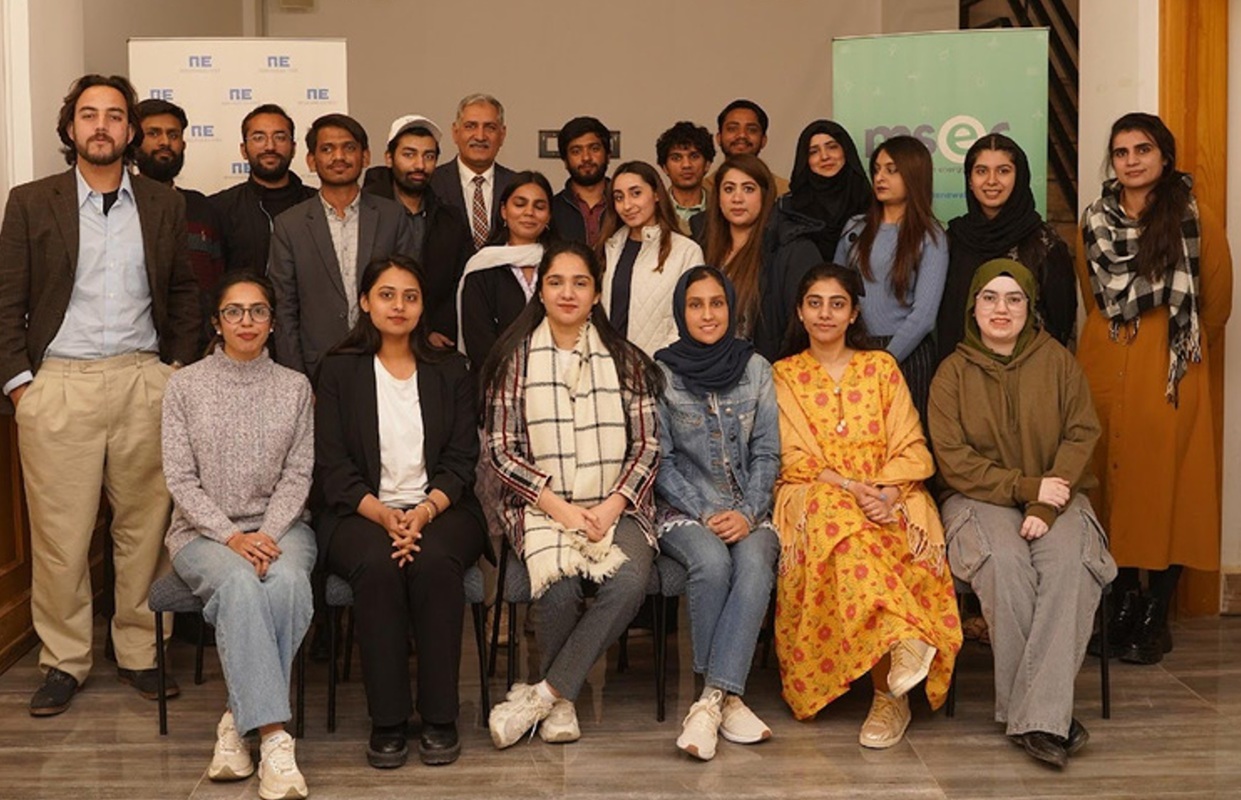
In the area of education, we have been working with the Margalla School on Climate and Energy (MSEC) to design and deliver a structured, interdisciplinary learning space for professionals working on Pakistan’s energy transition.
The program addresses the growing disconnect in traditional education systems, where engineers lack exposure to governance, policy graduates to technical systems, and civil society to structured engagement.
Our team has also been working through Project Aagahi in Karachi to expand access to learning and career development opportunities for underprivileged students. The initiative creates pathways for young students to explore online education, fully funded study programs, and digital earning platforms.
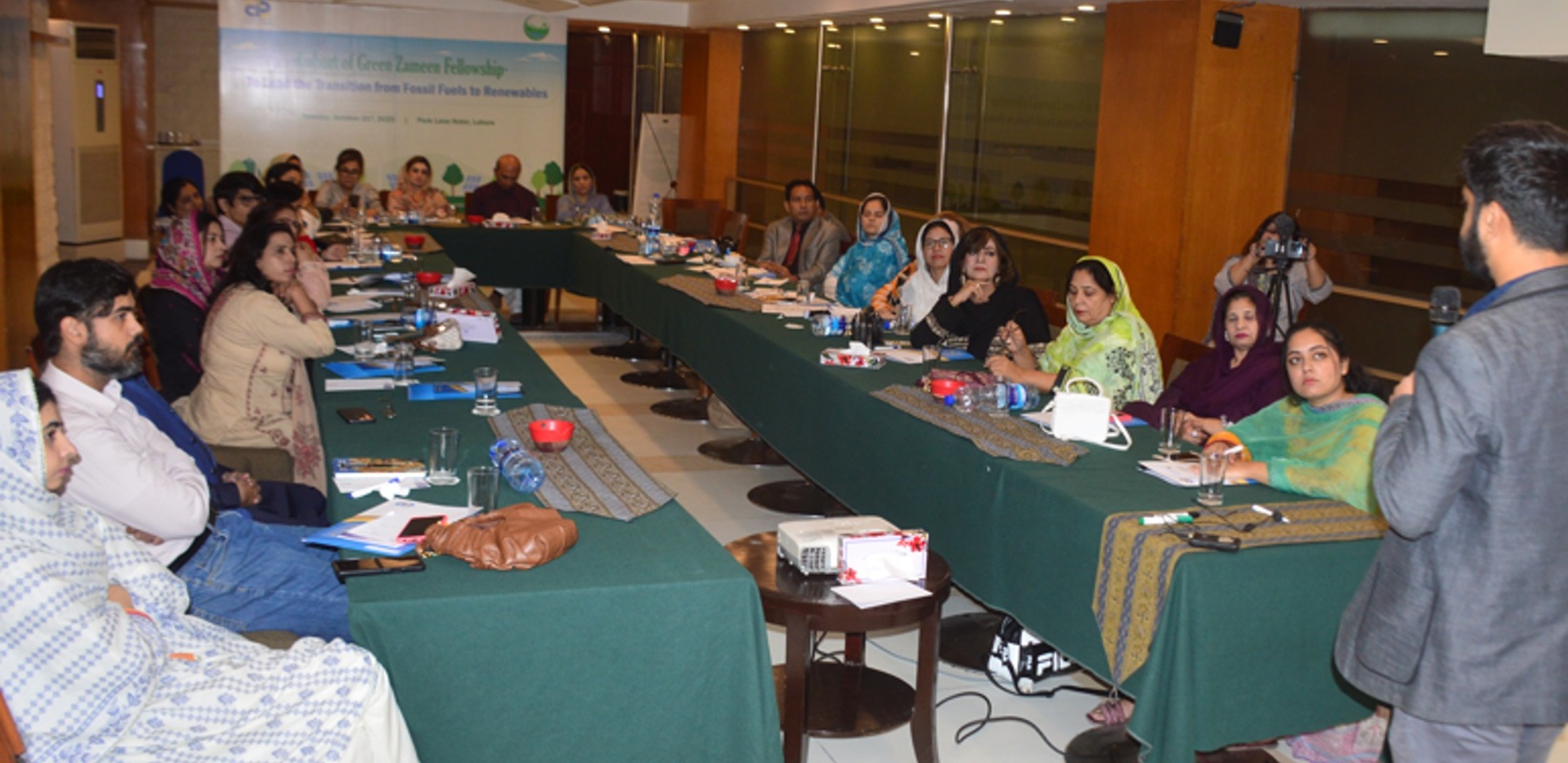
In the area of governance, we observe challenges of disconnected efforts and lack of clarity. Governance in Pakistan is often treated as compliance or administration, rather than as a living system connecting people, institutions, and purpose. We believe governance must be integrated—aligned with how organizations operate, how cultures are shaped, and how sustainable impact is produced.
Our team has delivered sessions with assembly members and engaged stakeholders to explore governance as a systemic practice and highlight the importance of alignment across institutional and cultural structures.